Hydrochloric acid is one of the most common ingredients in many descaling products used across construction, marine, pharmaceutical, food, and manufacturing industries. While it is effective at dissolving limescale and mineral build-up, its use comes at a high cost to human health, equipment, and the environment.
Understanding the risks of hydrochloric acid and the benefits of safer alternatives is critical for workplaces where descaling is routine.
The Dangers of Hydrochloric Acid in Descalers
1. Health and Safety Hazards
Hydrochloric acid is a highly corrosive chemical. Even in diluted concentrations, it presents multiple hazards:
- Inhalation: Exposure can lead to coughing, hoarseness, chest pain, shortness of breath, and pulmonary oedema (fluid in the lungs). Chronic exposure has been linked to bronchitis, chronic inflammation of the airways, and lesions in the nasal cavity.
- Skin and Eye Contact: Direct contact can cause painful burns, blisters, and scarring. Eye exposure may result in severe irritation or permanent vision damage.
- Ingestion: Although less common, ingestion can damage the oesophagus and stomach lining, causing nausea, vomiting, diarrhoea, and in extreme cases, death.
These health risks make hydrochloric acid one of the most dangerous substances to handle in routine maintenance tasks.
2. Damage to Equipment and Infrastructure
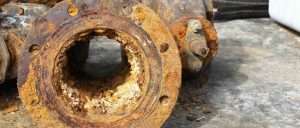
Hydrochloric acid is not selective. While it removes scale deposits, it also corrodes metals and damages seals, gaskets, and coatings. This:
- Reduces the service life of pipes, boilers, and heat exchangers.
- Increases maintenance frequency and costs.
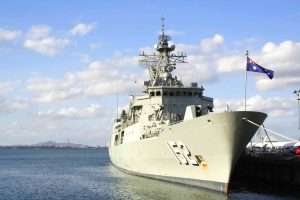
- Raises the likelihood of unexpected system failures in critical operations, including marine and industrial applications.
3. Environmental Impact
When hydrochloric acid waste enters waterways, it can cause severe harm to aquatic ecosystems. Even small releases lower pH levels, leading to fish kills and long-term disruption of marine environments. Disposal also requires careful neutralisation processes, adding complexity and risk to waste management.
How to Check if Your Descaler Contains Hydrochloric Acid
Many users don’t realise they are handling hydrochloric acid until it’s too late. Here’s how you can check:
- Review the Safety Data Sheet (SDS):
Look under Section 3: Composition/Information on Ingredients. If you see “Hydrochloric Acid” or “HCl,” the product contains it. - Check Hazard Pictograms and Warnings:
If the SDS or product label shows symbols for Corrosive (test tubes spilling on a hand and metal) or includes hazard statements like “Causes severe skin burns and eye damage” or “May cause respiratory irritation,” it’s a strong indicator of hydrochloric acid content. - Ask the Supplier:
If it’s not clear from the SDS, request clarification. Responsible suppliers will confirm whether hydrochloric acid is used.
Knowing how to read an SDS or label is the simplest way to protect your team from unexpected hazards.
The Benefits of Hydrochloric Acid-Free Descalers
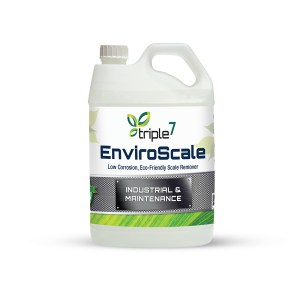
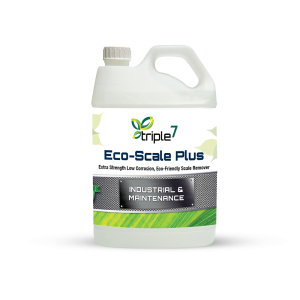
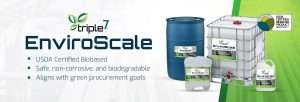
Modern alternatives like Triple7 EnviroScale and Triple7 Eco-Scale Plus have been developed specifically to overcome these risks while still delivering strong descaling performance. Their formulations are completely free from hydrochloric acid, eliminating the associated hazards.
Key Benefits
- Worker Safety: Non-toxic and non-hazardous formulations mean workers are not exposed to corrosive fumes, burns, or long-term respiratory damage.
- Low Corrosion on Equipment: Designed to target scale without damaging surrounding metals and system components, extending equipment lifespan and reducing maintenance costs.
- Environmentally Responsible: Readily biodegradable and safe for marine discharge, meeting strict compliance requirements for waterways and sensitive environments.
- Marine and Industrial Performance: Proven effectiveness in high-demand applications such as marine condensers, heat exchangers, and industrial cooling systems.
Why This Matters to You
Every time hydrochloric acid is used in descaling, the risks stack up: immediate threats to worker safety, hidden costs in equipment damage, and long-term harm to the environment.
If your descaler contains hydrochloric acid, you’re not just managing scale — you may be managing accidents, downtime, and compliance issues waiting to happen.
With Triple7 EnviroScale and Triple7 Eco-Scale Plus, you can descale with confidence, knowing you’re protecting your people, your assets, and the world around you.
Don’t Wait Until It’s Too Late
The dangers of hydrochloric acid are well known. The question isn’t if it will cause harm — it’s when.
Talk to our Envirofluid team about safer, hydrochloric acid-free descaling. Keep your workplace safe, extend the life of your equipment, and protect the environment without giving up performance.
Because safety shouldn’t be optional.